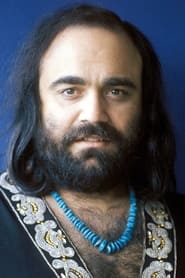
Demis Roussos
Acting · 68 years old
Alexandria, Egypt
Artemios "Demis" Ventouris-Roussos (15 June 1946 – 25 January 2015) was a Greek singer, songwriter and musician. As a band member he is best remembered for his work in the progressive rock music act Aphrodite's Child, but as a vocal soloist, his repertoire included hit songs like "Goodbye, My Love, Goodbye", "From Souvenirs to Souvenirs" and "Forever and Ever". Roussos sold over 60 million albums worldwide and became "an unlikely kaftan-wearing sex symbol". Roussos was born and raised in Alexandria, Egypt, in a Greek family. His father, George (Yorgos) Roussos, was a classical guitarist and an engineer, and his mother, Olga (1923–2019), participated with her husband in an amateur theatrical Greek group in Alexandria (there were three such groups in the Greek community); her family originally came from Greece. His maternal grandparents were from Chios and immigrated to Alexandria after the Asia Minor Catastrophe. His paternal grandparents were from Chania. His grandfather moved to Egypt in the early 1900s along with his future wife who was underaged. He changed his surname from Ventouris to Roussos to hide from her family. As a child, Roussos studied music and joined the Greek Church Byzantine choir in Alexandria. His formative years in the ancient port city's cosmopolitan atmosphere were influenced by jazz, but also traditional Arabic and Greek Orthodox music. His parents lost their possessions during the Suez Crisis in 1956 and consequently decided to move to Greece. After settling in Greece, Roussos participated in a series of musical groups beginning with the Idols when he was 17, where he met Evángelos Papathanassíou (later known as Vangelis) and Loukas Sideras, his future bandmates in Aphrodite's Child. After this, he joined the Athens-based band We Five, another cover band which had limited success in Greece. Roussos's operatic vocal style helped propel the band to international success, notably on their final album 666, based on passages from the Book of Revelation, which became a progressive rock cult classic. After Aphrodite's Child disbanded, Roussos continued to record sporadically with his former bandmate Vangelis. In 1970, the two released the film score album Sex Power (the album has also been credited to Aphrodite's Child), and later recorded the 1977 album Magic together. Their most successful collaboration was "Race to the End" (also sung in Spanish as "Tu Libertad"), a vocal adaptation of the musical theme from the Oscar-winning film Chariots of Fire (scored by Vangelis). Roussos also guested on Vangelis' soundtrack to Blade Runner (1982), on the tracks "Tales of the Future", "Damask Rose", "Taffey's Snake Pit Bar", and "On the Trail of Nexus 6" (several only available in non-bootleg form on the 29th Anniversary Limited Edition CD set released in 2011). ... Source: Article "Demis Roussos" from Wikipedia in English, licensed under CC-BY-SA.
Known For

Midi Première
Self
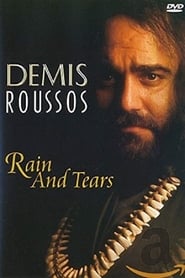
Demis Roussos: Rain And Tears
Self
La tournée triomphale des idoles
Self

À bout portant
Self
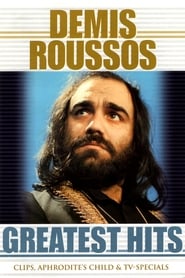
Demis Roussos: Greatest Hits
Self

Fan School
Self

Il était une fois Champs-Élysées
Self (archive footage)

Champs-Elysées
Self

To Be or Not To Be
Singer
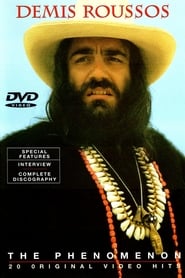
Demis Roussos: The Phenomenon
Self

Numéro un
Self

Les Rendez-vous du dimanche
Self
Numéro un
Self - Host
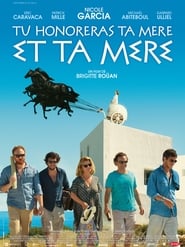
A Greek Type of Problem
Le pope

Nulle part ailleurs
Self

Sacrée Soirée
Self

Wogan
Self

The Dame Edna Experience
Self

Bananas
Self

Demis Roussos: Greatest Hits Live At Bratislava
Self