My Hand Outstretched to the Winged Distance and Sightless Measure
18 movies
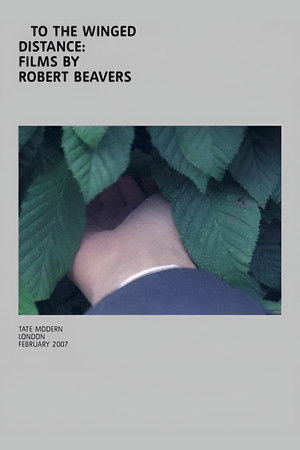
My Hand Outstretched to the Winged Distance and Sightless Measure is a film cycle by Robert Beavers, developed between 1968 and 2002. Rather than a single compiled film, it consists of individual works that Beavers continually re-edited and re-contextualized, shaping them into a larger cycle presented under this title. The phrase itself may sound like a poetic riddle, yet its meaning becomes clear in the experience of seeing and hearing the films. While sometimes treated as one work in retrospectives and museum programs, My Hand Outstretched… is best understood as a collection of interconnected films, not a singular release.
Winged Dialogue
An early exploration of intimacy and perception, the film portrays the body’s beauty and sexuality as animated by the soul. Through dissolving and vanishing images, Beavers creates a sensuous interplay of touch, memory, and after-image, leaving an imprint on both eye and mind.
Plan of Brussels
Filmed in a Brussels hotel room, Beavers alternates between his work desk and lying nude on the bed, while rapid cuts and superimpositions conjure a rush of street scenes and fleeting encounters. The film abandons narrative for a psychic montage of memory, desire, and urban impression.
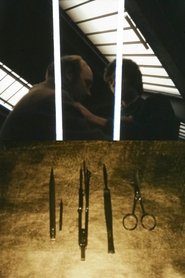
The Count of Days
The film is seen as though upon and through the structure of its spiritual partitions. One might say that there are three elements or levels to the images: narrative, descriptive or analytic, and abstract. "The film is seen as though upon and through the structure of its spiritual partitions. One might say that there are three elements or levels to the images: narrative, descriptive or analytic, and abstract. The Count of Days is not an account so much as an accounting of the essence of the days in which three separate persons are related at points … a penetration through the masks and habits of these days to reveal the nature of the charade and the arena in which it is enacted." (Tom Chomont, Film Culture)
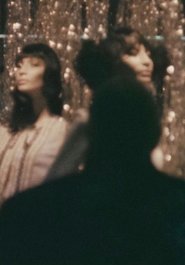
Palinode
In Palinode a disk-shaped matte continually shifting in and out of focus alternately blocks part of the image or contains it. Its respiratory rhythm matches operatic fragments of Wladimir Vogel’s Wagadu, as the camera studies a middle-aged male singer in Zurich, singing, eating, window shopping, and meeting a young girl. The filmmaker told himself, ‘Don’t let yourself know what that film is about while you are making it.’ (P. Adams Sitney, Film Comment).
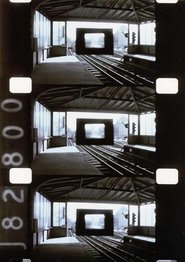
Diminished Frame
“There is a balance between a sense of the past seen in the views of West Berlin, filmed in black & white, and a sense of the present in which I filmed myself showing how the colour is created by placing filters in the camera’s aperture. I searched for signs of war’s aftermath and a few moments of daily life.” - Robert Beavers
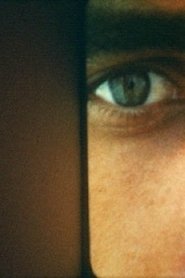
Still Light
Filmed on Hydra, the work studies a young man’s face across shifting light and landscape, framed through customized masks and filters. The constant visage, set against iconic surroundings, evokes a Renaissance portrait while reflecting on binaries of youth and age, creation and critique, image and text.
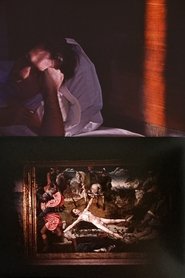
The Painting
Beavers intercuts scenes of traffic in Bern with details from the 15th-century altarpiece The Martyrdom of St. Hippolytus. In its revised form, the film gains a psychodramatic intensity, juxtaposing Markopoulos in shafts of light with a torn self-portrait and recurring shots of a shattered windowpane.
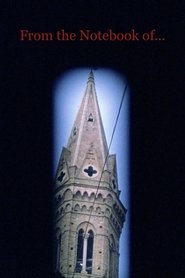
From the Notebook of...
Shot in Florence, the film draws on Leonardo da Vinci’s notebooks and Paul Valéry’s essay on da Vinci’s creative process to explore parallels between Renaissance space and the moving image. Beavers employs rapid pans and tilts along the city’s facades, interspersed with glimpses of his own face, linking camera movement to the filmmaker’s investigative gaze. The work marks a turning point in his practice, foregrounding presence and perception as central to his method. (Note: The film was re-edited and re-released in 1999.)
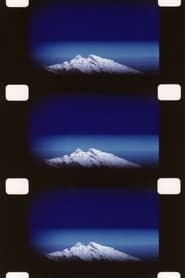
Work Done
Shot in Florence and the Alps, the film contemplates traditional European labor—ice vaults, bookbinding, cooking—while largely omitting human protagonists. Through textural equivalences between workshop and field, book and forest, stone and mountain, Beavers reflects on the resonance of craft and place.

Ruskin
Beavers traces John Ruskin’s legacy from London to the Alps and especially Venice, where the camera lingers on stone and water in dialogue with Ruskin’s writings. Turning pages and images of Unto This Last evoke the critic’s enduring perceptions and political vision, preserved through acts of reading.
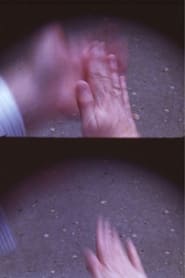
Amor
Shot in Rome and Salzburg’s natural theatre, the film uses cutting and sewing as metaphors for love, separation, and the craft of montage. Cloth being trimmed, hands clapping, and tools striking accompany images of tailoring, architectural restoration, and Beavers himself in a new suit, linking gesture and sound to the editing process.

Efpsychi
“The details of the young actor’s face – his eyes, eyebrows, earlobe, chin, etc. – are set opposite the old buildings in the market quarter of Athens, where every street is named after a classic ancient Greek playwrite. In this setting of intense stillness, sometimes interrupted by sudden sounds and movements in the streets, he speaks a single word, “teleftea”, meaning the last (one), and as he repeats this word, it moves differently each time across his face and gains another sense from one scene to the next, suggesting the uncanny proximity of eroticism, the sacred and chance.” (Robert Beavers)
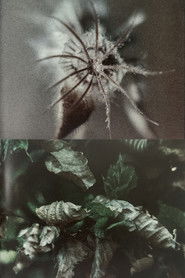
Wingseed
A meditation on landscape and desire, the film juxtaposes arid terrain, wild grasses, and herds of goats with the naked figure of a torso in shifting light. Shepherd’s calls, flute phrases, and the rhythm of bells echo Beavers’ quick, side-to-side camera movements, building to a vibrant visual and sonic ostinato.

The Stoas
Named for the colonnades of the ancient Lyceum, the film juxtaposes industrial arcades in golden morning light with lush images of streams and wooded glens. Empty of human figures yet rich in presence, Beavers composes landscapes that evoke both 19th-century painting and a quiet sense of spiritual immanence.
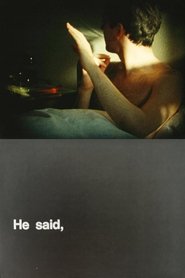
Sotiros
Distilled in 1996 from an earlier 50-minute trilogy, this 26-minute film was shot in Greece and Austria and structured around two recurring intertitles, “He said” and “he said.” Each introduces delicate studies of light and place—hotel interiors, cafés, hillsides, storefronts, and street life—framed in parallel variations. The title invokes Apollo as savior and healer.
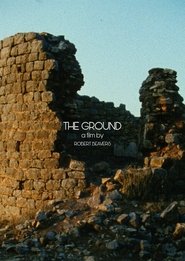
The Ground
Interweaving stonework and filmmaking, Beavers evokes memory through hammer strokes and chisel sounds that shape both image and rhythm. In this dialogue of repetition and variation, the film carves out a space where emptiness itself gains form, allowing vision beyond sight.
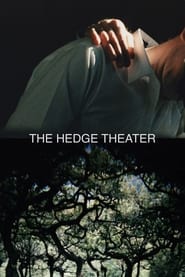
The Hedge Theater
Filmed in Rome in the 1980s, the work draws on Borromini’s Baroque architecture and Il Sassetta’s St. Martin and the Beggar. Beavers contrasts winter’s subdued light with the verdant growth of spring, constructing a precise montage in which image and sound form a poetic dialogue.

Early Monthly Segments
Filmed when Beavers was 18–19, this self-portrait depicts him and Gregory J. Markopoulos in their Swiss apartment. A diary of domestic life, it transforms everyday objects and intimate details into a charged meditation on love, memory, and desire.